When Everything Changes in a Single Moment
There are moments in life that divide everything into before and after.
The first 24 hours after someone you love dies by suicide is one of those moments.
Shock moves in quickly. Time feels strange; too fast and too slow at the same time. There are phone calls. Questions. People entering and leaving the home. And in the middle of it all, families are trying to absorb something that doesn’t feel real.
Most people are not prepared for what happens next.
Everyone knows emergency responders will come. What few people realize is what happens once they leave.
And that’s when the next wave of reality begins.
When law enforcement and medical personnel arrive, their focus is on investigation and immediate response. They do their work carefully and professionally.
But once the investigation is complete and the scene is released, the home remains as it is.
Police officers do not clean biohazards. Paramedics do not restore the space. Hospitals are not involved in remediation.
The responsibility for cleanup returns to the property owner or family.
That moment can feel overwhelming.
You’re grieving. You’re in shock. And suddenly you’re standing in a space that feels unfamiliar, even frightening, inside your own home.
Many families say later, “We didn’t know what we were supposed to do.”
That uncertainty in the first few hours is completely normal.
At first glance, some scenes may not look as serious as they are.
But what is visible is often only part of the story.
Blood and bodily fluids can carry pathogens. Contamination can spread beyond what the eye can see. Fluids may soak into carpeting, padding, hardwood seams, subflooring, baseboards, drywall, furniture, and even HVAC systems.
Odor can begin developing quickly, and once it settles into porous materials, it becomes more difficult to eliminate.
This is not about fear. It’s about reality.
What seems manageable with household cleaners can turn into a larger health and structural issue if not handled properly.
The first 24 hours matter.
In moments of crisis, people fall back on instinct. The instinct is often: Take care of it.
Clean it quickly. Handle it privately. Don’t burden anyone else.
Families may grab disinfectants, paper towels, and trash bags. They may try to remove items immediately. Some ask a trusted friend or relative for help.
These reactions come from love and urgency. But they can create new risks.
Without proper protective equipment and training, exposure to biohazards becomes possible. Improper cleaning can spread contamination to other areas of the home. Improper disposal of materials can violate local regulations. And emotionally, attempting to clean the scene yourself can create trauma that lingers long after the physical space is restored.
The first 24 hours are not the time to carry this alone.
If you find yourself in this situation, the safest immediate steps are simple:
You do not need to know all the answers before making that call. Even a brief conversation with a specialized biohazard cleanup company can provide clarity when everything feels uncertain.

Many families are unsure what professional cleanup means.
It is more than surface cleaning.
When Bio-One of Albuquerque responds, the focus is on safety, discretion, and compassion. The team first assesses the area to understand the full scope of contamination. Containment measures are established to prevent the spread. Affected materials are carefully removed if necessary. Surfaces are cleaned, disinfected, and treated using professional-grade solutions and equipment.
All biohazardous waste is handled and disposed of in accordance with regulations.
Odor mitigation is addressed. Documentation is provided if needed for insurance.
And throughout the process, discretion is maintained. Vehicles are often unmarked. Conversations are private.
The goal is to reduce stress, not add to it.
Most importantly, families are not asked to relive details or participate in the cleanup. That burden is lifted from them.
Grief is already heavy.
But when the physical space itself becomes a reminder, the weight increases.
Walking past a room. Seeing a stain. Smelling something you can’t forget. These sensory reminders can disrupt the grieving process and complicate healing.
Restoring the space is not about erasing memory. It is about allowing the home to feel livable again. It is about removing visual and environmental triggers that can prolong trauma.
Many families later express relief, not because the loss feels smaller, but because the environment no longer feels frozen in that moment.
The physical restoration supports emotional restoration.
In the first 24 hours, families often carry questions they don’t know how to voice:
Who pays for this?
How fast can someone come?
Will the smell stay forever?
Do we have to replace everything?
Will neighbors find out?
These questions are normal. They are practical. And they deserve calm, clear answers.
In many cases, homeowner’s insurance may help cover the cost of professional biohazard remediation. Response times are often immediate or same-day. Not everything must be removed; professionals assess what can be restored. Odor can be eliminated when handled correctly. And discretion is always prioritized.
The most important thing to know is this: help exists.
The first 24 hours after a suicide are overwhelming.
There are calls to make. Arrangements to consider. Family members to support. Emotions to process. Simply getting through the day takes strength.
Biohazard cleanup should not be added to that list.
Calling a professional service is not a sign of weakness. It is a way of protecting your health, your home, and your emotional well-being.
Sometimes the first step toward healing is removing the immediate burden.
And sometimes, that first step is simply asking for help.
Once law enforcement releases the property, the responsibility typically falls to the property owner or family. Emergency responders do not perform biohazard cleanup.
Yes. Without proper training and protective equipment, there is a risk of exposure to bloodborne pathogens and cross-contamination.
As quickly as possible. Prompt response helps reduce health risks, structural damage, and lingering odor.
In many cases, homeowner’s insurance policies may cover biohazard remediation. A professional company can help with documentation.
Not always. Professionals evaluate which materials can be safely restored and which must be removed.
It depends on the extent of contamination. Some scenes require several hours; others may require more time if structural materials are affected.
When handled properly with professional equipment and techniques, odor can be eliminated.
Biohazardous materials are removed and disposed of in accordance with local, state, and federal regulations.
Professional cleanup services operate discreetly and respectfully to protect privacy.
Start by making a call. Speaking with an experienced professional can provide guidance and reduce uncertainty during an overwhelming time.
When a crime or traumatic event happens, life splits into before and after. In those first hours and days, families are focused on shock, questions, phone calls, and simply getting through the moment.
Eventually, authorities finish their work, and the scene is released. That is when many people face a reality they were never prepared for.
The space where something terrible occurred is still there. And too often, families feel an unspoken pressure to handle what remains on their own.
Some cleanups should never fall on loved ones. Crime scene cleanup is one of them.

After a traumatic event, taking action can feel like a way to regain control. Cleaning may seem like just another task that needs to be done, something practical in the middle of chaos.
Families may also:
These instincts come from care and responsibility. But crime scenes are not normal messes, and treating them as such can cause harm in ways people do not expect.
Crime scenes often involve biological contamination that cannot be safely handled with household products. Blood and bodily fluids can carry pathogens that pose real health risks.
These materials do not stay on the surface. They soak into flooring, subfloors, walls, furniture, and even ventilation systems.
Professional crime scene cleanup involves:
This is not deep cleaning. It is specialized biohazard remediation designed to protect current and future occupants.
Beyond physical safety, there is another risk that is just as serious: emotional harm.
Cleaning the site of a violent or traumatic event exposes loved ones to sights, smells, and reminders that can deepen grief and trigger lasting trauma. Even brief exposure can imprint memories that resurface long after the cleanup is finished.
Professional cleanup creates a necessary boundary. It allows families to step away from the physical details of what happened and focus on healing, arrangements, and supporting one another. No one should have to relive a tragedy through cleanup.
When crime scenes are cleaned without proper training and equipment, contamination is often spread rather than removed.
Common risks include:
A space may look clean, but unseen hazards can remain. These risks often surface later, when the opportunity to address them safely has already passed.

Professional cleanup is especially important when an incident involves:
Choosing professional help is not about avoiding responsibility. It is about protecting people during an already difficult time.
Bio-One of Albuquerque exists for moments when people need support, not more burden. Their crime scene cleanup services are built around compassion, discretion, and thorough care.
When Bio-One steps in, families can expect:
The goal is not just to clean a space, but to remove one more weight from the shoulders of those affected.

Grief is hard enough without adding hazardous cleanup to the list of responsibilities. Crime scene cleanup is not something families should feel obligated to handle on their own.
If you or someone you care about is dealing with the aftermath of a traumatic event, it is okay to ask for help. Bio-One is here to step in quietly, handle what needs to be done, and give families the space they need to begin healing.
Crime scene cleanup is the professional removal of blood, bodily fluids, and other biological hazards left behind after a traumatic event. It also includes disinfecting and restoring affected areas so the space is safe to occupy again.
Crime scenes can contain dangerous pathogens and invisible contaminants. DIY cleanup can expose loved ones to health risks and cause emotional harm by forcing them to confront traumatic details of the event.
In many situations, proper cleanup is required to meet health, safety, and waste-disposal regulations. Property owners are responsible for ensuring biohazards are removed correctly, especially in rental or shared spaces.
Crime scenes may contain bloodborne pathogens, bacteria, and other biological materials that can penetrate porous surfaces like carpet, wood, drywall, and furniture if not properly addressed.
No. Standard cleaning services are not trained, equipped, or permitted to handle biohazardous materials. Crime scene cleanup requires specialized training, protective equipment, and regulated disposal methods.
The time required depends on the extent of the contamination and the size of the affected area. Some cleanups take a few hours, while others may require multiple days to fully remediate the space.
Professional cleanup removes biological hazards and contaminated materials, returning the space to a safe, pre-incident condition. While cleanup helps restore the environment, emotional healing takes time and support beyond the physical space.
In many cases, homeowner’s insurance, renter’s insurance, or commercial policies may provide coverage. Coverage varies by policy, so it is important to review details or speak with an insurance representative.
Cleanup should be scheduled as soon as the scene is released by authorities. Prompt response helps reduce health risks, prevent further damage, and limit long-term contamination.
Bio-One focuses on compassion as much as compliance. Their approach prioritizes discretion, respect for those affected, and thorough remediation, so families and property owners do not have to face this responsibility alone.
When people hear “C. diff,” they usually think of it as a health problem that ends once treatment is over. But for many homes and care spaces, that isn’t the full story.
C. diff is not only a medical issue. It can also become an environmental biohazard. Even after someone starts feeling better, the bacteria can remain behind in the space where they were sick.
That’s because C. diff behaves differently from most germs. It creates spores that can stay on surfaces for a long time. These spores are hard to remove, easy to spread, and often survive normal cleaning. When cleanup is incomplete, the risk does not go away; it stays hidden.
This is why C. diff situations often require professional biohazard cleanup, not just routine household cleaning.

C. diff is a type of bacteria that lives in the digestive system. It causes serious stomach and intestinal illness and spreads through tiny spores found in fecal matter.
These spores are so small that you cannot see them. They can land on surfaces, stay there for months, and survive many common cleaning products. A room may look clean, smell clean, and still be unsafe.
C. diff is often linked to hospitals and medical facilities, but it does not stay there. It can spread in homes, assisted living communities, recovery spaces, and anywhere cleaning is difficult or incomplete.
When C. diff enters the body, it can release toxins that damage the colon's lining. This causes swelling and irritation and makes it hard for the digestive system to work normally.
Many people experience ongoing diarrhea, stomach pain, fever, nausea, and dehydration. Fatigue and weakness are common, and recovery can feel slow and draining.
In more serious cases, C. diff can lead to life-threatening problems like severe colon swelling, blood infections, or repeat infections that keep coming back. Each time the illness returns, it is often harder to treat.
Older adults, people with weakened immune systems, and those who have recently taken antibiotics are at the greatest risk

C. diff is dangerous not only because of how sick it can make someone, but because of how it behaves in a space.
The spores it creates are very tough. They can survive drying, stay on both hard and soft surfaces, and resist many everyday cleaners. This means wiping down surfaces may not actually remove the risk.
C. diff also spreads through touch, not through sight. Spores move from surfaces to hands, and then into the mouth without anyone realizing it. Bathrooms, floors, bedding, furniture, carpets, and high-touch areas like door handles and light switches are common trouble spots.
Even when medical treatment works, people can get sick again if the environment has not been fully cleaned. In those cases, the space itself becomes part of the problem.
C. diff usually shows up in situations where illness or contamination makes deep cleaning difficult.
This includes times when someone is very sick and lacks the strength to clean properly, or when cleaning is delayed. It can also happen in homes with heavy clutter, where some areas are hard to reach or easy to overlook.
Shared living spaces, such as assisted living facilities and nursing homes, pose a higher risk due to shared bathrooms and common areas. Recovery spaces after a hospital stay are also vulnerable, especially when antibiotics have weakened the body’s natural defenses.
Sewage issues, bathroom overflows, and improper waste handling can further increase the risk by spreading fecal contamination.
This is where many people unknowingly put themselves and others at risk.
C. diff cleanup is not the same as normal cleaning. It is a biohazard situation that needs special care.
Most household cleaners do not kill C. diff spores. Cleaning with the wrong products may remove what you can see, but leave the real danger behind. In some cases, it can even spread spores to other rooms.
Using regular mops, rags, or vacuums can move spores onto clothing, shoes, furniture, and surfaces that were not contaminated before. What starts in one room can quietly spread through the home.
Porous items like carpet, furniture, mattresses, and padding are especially risky. These materials can absorb contaminants and continue releasing spores over time if they are not properly removed.
Handling and throwing away contaminated items is also dangerous. Without the right precautions, waste can expose family members, caregivers, vehicles, and trash areas.
Many repeat C. diff infections happen not because treatment failed, but because the environment was never fully cleaned. The illness ends, but the exposure does not.
Bio-One of Albuquerque treats C. diff as a serious health risk, not a surface-level cleaning job.
The process starts by identifying all areas that may be affected and setting up controls to keep contamination from spreading. Items that cannot be safely cleaned are carefully removed. Then the space is treated using professional methods designed to address spores, especially in high-touch and hard-to-reach areas.
The goal is simple: reduce risk and help make the space safe to use again.
C. diff does not just affect one person. It can quietly put family members, caregivers, staff, and future occupants at risk.
Proper cleanup helps stop that cycle and gives people confidence that the space they are returning to is safer.

When C. diff is involved, cleaning the space is not enough. The goal is to reduce the risk of ongoing exposure and help make the environment safer for the people who live or work there.
That’s where Bio-One comes in.
Bio-One of Albuquerque treats C. diff as a serious biohazard, not a routine cleaning job. Every situation starts with understanding where contamination may be hiding, not just where it’s visible. Bathrooms, floors, bedding, furniture, and high-touch surfaces are carefully evaluated because spores often spread beyond the obvious areas.
From there, Bio-One focuses on containment. This step is important because it helps prevent spores from spreading to other rooms during cleanup. Work areas are controlled to keep contamination limited and prevent it from spreading through the home or facility.
Some materials cannot be safely cleaned once they are contaminated. In those cases, Bio-One safely removes and disposes of affected items to reduce ongoing risk. This is especially important for porous materials such as carpet, padding, mattresses, and upholstered furniture, which can retain spores even after surface cleaning.
Next comes professional decontamination. Bio-One uses specialized methods to address hardy spores such as C. diff. Surfaces are treated carefully, with special attention to high-touch areas and often-overlooked places during normal cleaning.
Finally, Bio-One ensures the work is done thoroughly before the space is returned to use. The goal is simple: help reduce the chance of reinfection and give families, caregivers, and property managers peace of mind.
Throughout the process, Bio-One works with care and discretion. Many C. diff cases follow stressful health events, and the focus is always on helping people move forward safely and without judgment.
C. diff requires more than cleaning. It requires experience, care, and the right approach.
If the situation feels overwhelming, if illness keeps returning, or if someone vulnerable is involved, professional biohazard cleanup is not just helpful; it is important.
Bio-One is here to help restore safety and peace of mind during difficult moments.
From Our Franchisee: Elizabeth Lipp of Bio-One of Fort Collins
“I always say: if you don’t want to clean it, you probably shouldn’t—and this is why.
I recently got a call from a property manager at a trailer park. An elderly resident had been hospitalized twice due to an illness that turned out to be C. Diff, a highly contagious bacterial infection whose spores are very difficult to kill.
Before knowing what they were dealing with, the property manager, his wife, and another individual tried to help by cleaning the resident’s heavily hoarded trailer after the first hospital visit. Thankfully, none of them became ill—but unfortunately, the resident did contract C. Diff again.
After the second hospitalization, they did the right thing and called Bio-One. While no one can guarantee reinfection won’t happen without ongoing hygiene oversight, I’m very confident the bacteria and spores are no longer present in the trailer because the proper chemicals and protocols were used.
Moral of the story: Good intentions aren’t enough when biohazards are involved. Some situations require professional training, PPE, and the right disinfectants—for everyone’s safety.”
What is C. diff?
C. diff is a type of bacteria that causes serious stomach and intestinal illness. It spreads through tiny spores found in fecal matter and can stay on surfaces for a long time.
Why is C. diff considered a biohazard?
C. diff is considered a biohazard because its spores can remain in an environment long after someone feels better. If those spores are not properly removed, they can continue to spread illness.
Can a home still be unsafe after someone recovers?
Yes. Even after treatment ends, spores can remain on surfaces like bathrooms, floors, bedding, and furniture. This is a common reason people get sick again.
Why doesn’t normal cleaning fix the problem?
Most household cleaners do not work against C. diff spores. Some cleaning methods can actually spread spores rather than remove them.
Where does C. diff usually hide?
Bathrooms are common, but spores can also be found on floors, baseboards, mattresses, furniture, carpets, door handles, and light switches.
Can carpets or furniture be contaminated?
Yes. Soft and porous materials can absorb contamination. In some cases, these items cannot be safely cleaned and need to be removed.
Can you get sick again from the same space?
Yes. Reinfection often happens when spores remain in the environment. Medical treatment alone does not remove environmental risk.
Who is most at risk?
Older adults, people with weakened immune systems, and those who have recently taken antibiotics face a higher risk. Caregivers can also be exposed without knowing it.
When should professional cleanup be considered?
Professional cleanup should be considered after a long illness, when multiple rooms may be affected, when reinfection has occurred, or when proper cleaning feels uncertain.
How does Bio-One help?
Bio-One provides professional biohazard cleanup focused on safety, containment, and thorough cleaning. Their goal is to reduce health risks and help make the space safer again.
When most people hear biohazard cleanup, they think of extreme situations: crime scenes, major accidents, or hazmat suits on TV. But in reality, biohazards appear in far more everyday scenarios than most homeowners, property managers, and business owners realize.
Biohazards are any biological materials that pose a risk to human health. That includes blood, bodily fluids, waste, decomposition, and certain contaminants that can’t be handled safely with standard cleaning methods.
Here are 10 situations that often require a professional biohazard cleanup company, even if they don’t look dangerous at first glance.

When someone passes away and isn’t discovered for hours or days, the surrounding environment can quickly become unsafe. As the body naturally breaks down, biological materials are released and can spread beyond the immediate area.
This contamination often seeps into:
What makes unattended deaths especially dangerous is that the damage is rarely limited to what’s visible. Odors, fluids, and airborne contaminants can travel, making professional containment and thorough decontamination critical before the space can be safely occupied again.
Blood and other bodily fluids can carry pathogens that remain infectious long after the surface appears dry. While a minor cut can often be handled with routine cleaning, larger spills or unknown exposure risks require professional attention.
Biohazard cleanup is often necessary when:
Without proper cleanup, microscopic traces can remain, posing ongoing health risks to anyone who later enters the space.
After a traumatic loss, the emotional toll on families, property owners, and loved ones is immense. The physical environment often reflects the trauma and requires specialized care to restore safety.
Professional biohazard cleanup provides:
This type of cleanup allows families and property managers to focus on healing and next steps, rather than being exposed to additional distress or health risks.

Not all hoarding situations involve biohazards, but many do. Over time, excessive accumulation can hide serious health concerns beneath layers of belongings.
Common biohazards in hoarding environments include:
When biological contamination is present, cleanup requires more than organizing or removal. It involves safe handling, disinfection, and careful restoration to return the space to livable conditions.
Rodents contaminate areas through droppings, urine, nesting materials, and damaged insulation. As these materials dry, particles can become airborne and spread throughout the structure.
Biohazard cleanup may be required when:
Proper cleanup helps reduce exposure risks and prevents lingering odors and contamination from spreading further.
Sewage backups introduce harmful bacteria and pathogens directly into living or working spaces. Even after the water recedes, contamination often remains.
Professional cleanup typically includes:
Attempting to clean sewage contamination without proper equipment can increase exposure risks and spread contamination to unaffected areas.
Properties impacted by drug use, whether residential, commercial, or vehicles, can contain hazardous residues and sharp objects that pose serious risks.
Biohazard cleanup is often necessary to:
These environments require careful handling to prevent accidental exposure and injury.
When animals pass away in walls, attics, crawl spaces, or yards, biological materials and odors can spread quickly. The longer the remains go undiscovered, the greater the contamination.
Cleanup may involve:
Even small animals can cause significant contamination when decomposition occurs in enclosed spaces.
Certain illness-related situations create biohazards when bodily fluids, waste, or contaminated surfaces are involved, especially in shared environments.
Biohazard cleanup may be needed in:
The goal is to reduce the risk of cross-contamination and ensure the space is safe for continued use.
Vehicles can become contaminated through accidents, medical transport, or exposure to bodily fluids. Because vehicles are enclosed spaces, contamination and odors can persist without professional treatment.
Biohazard vehicle cleanup typically includes:
This ensures the vehicle can be safely used again without ongoing exposure concerns.

Biohazard situations are rarely limited to what you can see on the surface. While a space may look clean after basic cleaning, harmful contamination can remain hidden in places most people never think to check.
Biological materials can:
Without proper containment and decontamination, these hidden hazards can continue to pose risks to anyone who enters the space for days, weeks, or even months.
Professional biohazard cleanup companies like Bio-One are trained to address the entire environment, not just the obvious areas of concern.
Bio-One of Albuquerque follows industry-recognized safety procedures designed to reduce exposure and prevent cross-contamination. Every scene is carefully assessed, and cleanup is performed in a controlled, methodical manner to protect everyone involved.
Standard cleaning tools aren’t designed to handle biological contamination. Professional biohazard cleanup uses specialized equipment and materials to safely remove affected items, disinfect surfaces, and address lingering odors that traditional cleaning methods can’t resolve.
Proper cleanup helps protect:
By addressing contamination at the source, professional cleanup reduces long-term risks and liability.
Many biohazard situations involve deeply personal or traumatic circumstances. Bio-One approaches every job with professionalism, privacy, and empathy, treating people and spaces with the respect they deserve.
Biohazard situations are overwhelming, especially when you’re not sure what steps to take or who to call. If something doesn’t feel right, it’s always better to ask questions before attempting cleanup on your own.
Bio-One of Albuquerque responds with care, clarity, and urgency:
Whether you’re a homeowner, property manager, or business owner, Bio-One helps you understand the safest next step so you can make informed decisions during a difficult moment.
When life feels heavy and situations are complex, Bio-One is here to help you move forward, safely, respectfully, and with compassion.
A biohazard situation involves biological materials that can pose a risk to human health. This may include blood, bodily fluids, waste, decomposition, or contamination from animals, sewage, or certain illnesses. If standard cleaning methods aren’t enough to safely address the situation, professional biohazard cleanup may be needed.
While it may be tempting to handle cleanup on your own, many biohazard situations involve hidden contamination that isn’t visible to the naked eye. Without proper equipment, training, and safety protocols, DIY cleanup can increase exposure risks and leave harmful materials behind.
If a situation involves bodily fluids, strong odors, contamination that has soaked into surfaces, or uncertainty about health risks, it’s best to consult a professional. Bio-One can help assess the situation and explain the safest next steps.
No. Biohazard cleanup is often required for situations that aren’t widely recognized as hazardous, such as unattended deaths, sewage backups, hoarding environments with contamination, rodent infestations, or vehicle contamination.
Biohazards can spread beyond visible areas into carpets, padding, subflooring, walls, furniture, HVAC systems, and personal belongings. Professional cleanup focuses on addressing both visible and hidden contamination.
The time required depends on the extent of contamination and the size of the affected area. Some situations can be addressed in a day, while others may require multiple days to ensure the space is cleaned correctly and safe to occupy.
Yes. Odor treatment is often an essential part of biohazard cleanup. Persistent odors are usually a sign of underlying contamination, and professional cleanup addresses the source—not just the smell.
Yes. Bio-One understands that many situations are sensitive and personal. Cleanup is handled with discretion, professionalism, and respect for privacy, helping protect both individuals and property reputations.
Biohazard cleanup services are used by homeowners, families, property managers, landlords, businesses, law enforcement, healthcare facilities, and vehicle owners—anyone facing a biological contamination situation.
The most critical first step is to avoid disturbing the area and, if possible, limit access. Then contact a professional biohazard cleanup company, such as Bio-One, to discuss the situation and receive guidance on next steps.
Most people recognize the unmistakable musty smell of mold. It’s earthy, damp, and unpleasant—but the odor itself isn’t the real concern.
That smell is a warning sign.
When mold produces an odor, it’s telling you something important: There is active mold growth somewhere in your home, even if you can’t see it. And that means there’s moisture, decay, and potential health risks hiding behind the walls, under flooring, or inside HVAC systems.
Here’s why mold odors matter, what they reveal about your home’s condition, and why professional remediation is the safest way to restore your environment.

Most people describe mold odor as “old,” “wet,” or “stale”—but that musty scent is actually a chemical signal your home is trying to send you.
Mold smells musty because it releases MVOCs (Microbial Volatile Organic Compounds) as it grows, feeds, and spreads. These gases are natural byproducts of mold digesting the materials around it—things like:
As mold breaks these materials down, it produces a wide range of compounds; some alcohol-like, some similar to formaldehyde, and some with earthy or mushroom-like tones. Together, they form the unmistakable “mold smell.”
Common ways people describe these odors include:
What’s important to understand is this: Mold odor isn’t passive. It’s the smell of mold actively growing.
Mold doesn’t produce MVOCs when it’s dormant; it only emits these gases when:
This is why a musty odor is a critical warning sign. It means mold is alive and breaking down materials in your home right now. Even if you can’t see visible growth, the smell confirms biological activity happening behind the scenes—often behind walls, under flooring, or inside HVAC systems.
In short: If your home smells musty, mold is working around the clock—even if you can’t see it yet.

Mold doesn’t grow in dry conditions. If you smell mold, moisture is not just possible—it’s guaranteed. That musty odor is often the first clue that water is collecting where it shouldn’t be.
When mold is active, it’s because moisture is feeding it. A musty smell usually points to one or more of the following issues:
Even if everything looks dry on the surface, that odor means the moisture level is high enough to support mold growth behind the scenes.
Water doesn’t stay where it starts. It runs downward, wicks sideways, spreads through porous materials, and can remain trapped long after a spill or leak appears to be cleaned up.
By the time you smell mold, moisture has often already made its way into deeper layers of your home’s structure, including:
Because these areas aren’t visible, the odor becomes the only warning sign that something is happening out of sight.
A musty smell rarely appears right after water exposure. Mold needs time to grow—and that process can start within 24–48 hours of moisture contact.
So when the odor becomes noticeable, it’s often evidence that:
This is why a mold odor should never be ignored. It’s not just telling you something smells bad—it’s telling you your home has an ongoing moisture problem that needs immediate attention.
A mold odor is not a harmless nuisance—it’s a biological indicator. Mold only produces an odor when it is alive, feeding, and expanding. That musty scent is the byproduct of active microbial metabolism, not dormant spores sitting quietly on a surface.
Dormant spores can live for years without producing noticeable smells. They’re inactive, waiting for the right environment to wake up—usually when moisture appears.
So if you catch a musty odor, it’s not coming from dormant spores. It’s coming from mold that is:
A mold odor is essentially the live breath of a growing organism.
When mold is actively growing, a few things are happening simultaneously:
As long as moisture is present, mold will continue to eat, spread, and release odors. Ventilation or deodorizers might temporarily reduce the smell, but the growth itself keeps advancing.
A musty odor means the mold is in a reproductive stage. Colonies expand fast, often doubling in size when moisture levels are ideal.
Growing mold releases spores into the air as part of its natural cycle. These spores travel through:
By the time you smell mold, spore distribution is usually well underway.
Mold feeds on organic components such as:
This breakdown weakens the home’s structure, leading to soft walls, warped flooring, and long-term deterioration.
There is no scenario where mold odor exists without active mold growth behind it. A musty smell doesn’t mean:
It means the issue is happening right now and will continue until both the moisture source and the mold colony are eliminated.

A musty odor doesn’t stay neatly contained to one room. When you smell mold, you’re inhaling the identical microscopic particles that mold releases as it grows spores, fragments, and MVOCs (microbial volatile organic compounds). Even if the colony itself is hidden behind a wall or under flooring, its byproducts circulate through your indoor air.
Over time, this exposure can take a toll on your health.
Many people start to notice symptoms that seem minor or unrelated at first. These can include:
Because these symptoms overlap with those of allergies or the common cold, people often overlook mold as the underlying cause.
Mold-related odors indicate that MVOCs and spores are already airborne. Breathing in these particles can irritate the respiratory system and trigger inflammation, especially for people who are already sensitive to indoor pollutants.
The effects can be more potent if:
Certain groups may develop severe reactions even with short-term exposure, including:
For these groups, mold exposure can lead to significant respiratory distress or recurring infections.
When mold grows behind walls, under floors, or inside HVAC systems, the concentration of spores in the air can increase rapidly. In these situations, people may begin to experience:
Because the odor often appears before visible mold does, the smell is an essential early warning sign that indoor air quality is declining.
Mold doesn’t usually start where you can see it. Long before it appears on walls, ceilings, or flooring, it grows quietly in the dark, hidden spaces of a home. That’s why your nose often detects mold before your eyes ever do.
Mold prefers environments that are:
These are the exact conditions found inside your home’s structural layers. As a result, you may smell mold even though the colony isn’t visible. Some of the most common hidden locations include:
These areas are out of sight but mold growth here still impacts the air you breathe.
Smell is often the earliest warning signal of mold because:
You may not see stain marks, discoloration, or growth until long after the odor appears. By the time mold becomes visible, the problem is usually much larger than it appears on the surface.
This is one of the most common concerns homeowners share when they call Bio-One. They notice:
… but no visible mold anywhere.
That’s because the odor escapes more easily than the mold itself. Think of it like smoke from behind a closed door—you smell it before you ever see flames.
Locating hidden mold requires:
Bio-One of Albuquerque technicians are trained to find mold growth wherever it's hiding, even in places homeowners would never think to check.

When a musty odor appears, it’s tempting to reach for air fresheners, candles, or DIY odor-eliminating sprays. Some homeowners even invest in ozone machines or deodorizers, hoping to “neutralize” the smell.
But here’s the truth: Anything that only hides the odor is hiding the problem, too.
Mold odor is a symptom of active growth and moisture. If you only mask the smell, the mold continues spreading—quietly, invisibly, and often aggressively.
Temporary solutions such as:
… might make the space smell better, but they do nothing to stop:
In fact, masking the odor often delays action—giving the mold more time to cause damage.
When you cover up mold odor instead of treating the source, you risk:
Mold feeds on drywall, wood, insulation, carpet backing, and adhesives. The longer it grows, the more material it destroys.
Even if you can’t smell the mustiness anymore, spores continue circulating in your indoor air impacting breathing and overall indoor air quality.
Covering up the odor doesn’t stop mold’s biological activity; the irritation to your eyes, sinuses, and lungs continues or intensifies.
If moisture is the issue, and it always is, ongoing water exposure can lead to rot, sagging floors, warping, or soft walls.
What might begin as a small, localized mold colony can grow into an issue requiring demolition, material removal, and full restoration.
Masking odors may create the illusion of a cleaner environment, but the mold is still there quietly releasing spores, damaging your home, and affecting your health. The musty smell isn’t the root of the issue. It’s the warning sign. Ignoring or covering it up allows the real problem to grow unchecked.

A musty odor is your home’s way of saying, “Something is wrong.” But the smell itself isn’t the problem; it’s the symptom. True remediation must address several interconnected issues:
Bio-One of Albuquerque’s approach is designed to handle all of these layers, not just the odor. Our team combines advanced tools, industry-certified procedures, and years of hands-on experience to eliminate the mold, restore your environment, and prevent the issue from returning.
Here’s what that looks like:
Before any mold can be removed, we must find why it’s growing. Moisture issues often hide behind walls, under flooring, or inside HVAC systems.
We don’t guess. We identify the exact source because unless the moisture problem is resolved, mold will come back.
Once moisture is identified, we locate the mold colony and put immediate containment measures in place.
Containment is crucial. Without it, mold could spread through air currents, vents, and foot traffic into previously clean areas.
Bio-One follows strict professional standards, including EPA, OSHA, and IICRC guidelines. This ensures mold is not only removed, but removed safely.
We do not take shortcuts. Every step protects your health, your home, and your long-term safety.
Mold isn’t just on surfaces, it’s in the air. Using commercial-grade HEPA filters and air scrubbers, Bio-One removes:
This not only clears the musty smell but also improves indoor air quality so you can breathe comfortably again.
Even after structural removal, microscopic spores can settle on nearby surfaces. Bio-One performs detailed cleaning and disinfection to ensure every affected area is treated, including:
This step ensures the colony doesn’t regrow and removes any lingering contamination.
You never have to mask it. You never have to live with it. When the moisture is resolved and the mold is removed correctly, the musty odor goes away on its own because the source no longer exists. Bio-One restores both your environment and your peace of mind.
Mold produces musty odors when it’s actively growing and releasing MVOCs, gases created as it breaks down materials like wood, drywall, and insulation. If you smell mold, it means growth is happening right now.
Yes. Most mold begins in hidden areas such as wall cavities, under flooring, behind cabinets, or inside HVAC systems. Odor often appears weeks or months before mold becomes visible.
A mold odor confirms that moisture is present whether from a leak, high humidity, condensation, or poor ventilation. Mold cannot grow without moisture, so the smell is a guaranteed warning sign.
Yes. Musty smells indicate that spores and MVOCs are already airborne. Breathing them in can cause headaches, coughing, sinus issues, fatigue, and worsen asthma or allergies.
Children, older adults, pregnant individuals, people with allergies or asthma, and anyone with a weakened immune system may experience stronger reactions or more severe symptoms from mold exposure.
Odor molecules travel through the air much faster than mold can break through surfaces. By the time you see mold, the colony is usually well established behind walls or flooring.
No. Masking the odor doesn’t address moisture or remove mold. It can delay proper treatment and allow the colony to grow, leading to more damage and higher remediation costs.
Bio-One uses moisture meters, thermal imaging, air sampling, and detailed inspection techniques to find hidden mold growth—even in places homeowners rarely think to check.
Bio-One identifies the moisture source, contains the affected area, safely removes mold and contaminated materials, filters the air, disinfects surfaces, and provides guidance to prevent future growth.
Yes. When the moisture problem is fixed and the mold colony is fully removed, the odor disappears naturally because the source no longer exists—no masking necessary.
It’s the end of the year. Tenants are traveling, offices are closing, and you’re finally ready to take a breath after months of managing maintenance requests, move-outs, and inspections.
But as every property manager knows, emergencies don’t care about business hours, weekends, or holidays.
When something unexpected happens on your property, you can’t simply “wait until Monday.”
A situation that starts small on Friday night can escalate quickly over the weekend, leaving behind contamination, odors, or health hazards that put your tenants, staff, and reputation at risk.
From biohazards to trauma scenes, these incidents require more than quick thinking; they need immediate professional response. These aren’t ordinary maintenance calls. They’re situations that call for specialized equipment, certified training, and absolute discretion.
And when help is hardest to find, Bio-One of Albuquerque is always available.
Our 24/7 response ensures you never face a biohazard emergency alone, no matter the day, hour, or holiday.

Some problems can wait for Monday morning. A leaky faucet, a broken light fixture, or a scuffed wall? Your maintenance team has it covered.
But when you walk into a unit and find blood, bodily fluids, drug residue, or human waste, it’s an entirely different situation.
These aren’t just unpleasant messes; they’re biohazards that can carry serious health and legal risks if mishandled.
Your maintenance team wasn’t trained for this, and shouldn’t be expected to be.
Calling in the right help isn’t just about cleaning up; it’s about protecting your people, your property, and your liability.
So when the unexpected happens and your maintenance crew reaches their limit, you’re not left holding the responsibility alone.
Bio-One is ready to step in: fast, professional, and with care for everyone involved.

December brings unique risks that can catch even the most experienced property managers off guard.
The end of the year often means long weekends, vacant units, and limited staff coverage, the perfect storm for problems to go unnoticed until they become serious.
When it comes to biohazard situations, time isn’t just money; it’s safety. The longer contamination sits, the more it spreads, seeps, and compounds the damage. That’s why timing is everything.
Here are some of the most common holiday emergencies property managers face:
During the holidays, some tenants travel while others live alone with fewer wellness checks from friends or family. In multifamily housing, these situations can go unnoticed for days, creating health hazards and odors that spread beyond a single unit.
Bio-One is trained to respond with compassion, discretion, and full decontamination, restoring safety and dignity for everyone involved.
Holiday stress, parties, and family tensions can, unfortunately, lead to incidents that require immediate cleanup. Blood, bodily fluids, and residue can’t wait until after the weekend. Bio-One’s 24/7 response ensures that when the unthinkable happens, help arrives quickly to restore order and safety.
In colder climates, freezing temperatures can rupture pipes and flood units with contaminated water. Bacteria and waste can spread quickly through flooring, drywall, and air systems.
Bio-One mitigates the contamination, disinfects affected areas, and helps property managers prevent further structural damage.
Year-end move-outs often reveal surprises: hoarding, hidden waste, or abandoned belongings. These issues can delay turnover and cost managers valuable rent days. Bio-One’s cleanup process gets units back to rent-ready condition faster, helping protect your bottom line.
When these emergencies happen, waiting until Monday isn’t an option. Bio-One responds immediately, day, night, or holiday, because we know that safety, compliance, and peace of mind can’t wait.
Even on Christmas morning or New Year’s Eve, we’re just one call away.
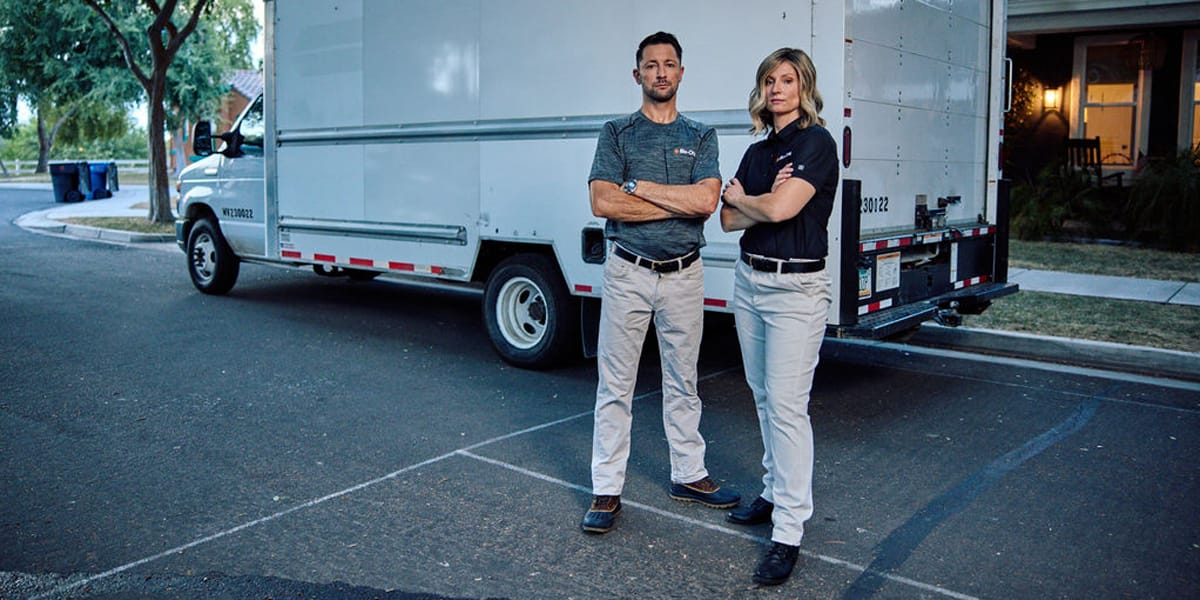
When a biohazard emergency happens, every minute matters.
Property managers don’t just need a cleanup crew; they need a partner they can count on to respond fast, handle the situation professionally, and protect the integrity of their property and reputation.
That’s exactly what Bio-One of Albuquerque delivers, day or night, 365 days a year.
When emergencies strike, property managers rely on three things above all else:
Bio-One delivers on all three, every single time.
When you call Bio-One, you reach real people, not an answering service or voicemail. Our local team answers immediately, assesses the situation, and mobilizes quickly.
We’re equipped to respond within hours, not days, to minimize disruption and risk.
Whether it’s a late-night call from security or an emergency over a holiday weekend, you’ll never hear, “We’ll get back to you Monday.”
Every Bio-One technician is trained and certified in OSHA, IICRC, and biohazard remediation standards.
That means they understand the science behind contamination: how to safely clean, disinfect, and dispose of biohazardous materials while protecting occupants, staff, and the environment.
Our expertise includes:
We bring professional-grade disinfectants, protective equipment, and proven processes to every scene, ensuring your property is handled correctly from start to finish.
Biohazard situations can draw unwanted attention, and we understand how important privacy is in your business. Our crews arrive in unmarked vehicles, work quietly and efficiently, and coordinate with you to avoid disruption to tenants, owners, or vendors.
Professionalism and compassion are at the core of what we do. We treat every space with the same care and respect we’d want in our own communities.
From start to finish, Bio-One provides detailed documentation to protect you and your property.
We supply photos, reports, and service records for your internal files or insurance provider, making it easier to close the loop on incidents and demonstrate compliance with health and safety regulations.
Our work doesn’t end when the visible mess is gone. We ensure every affected area is fully disinfected, odor-free, and ready for safe re-entry, often faster than you’d expect.
The result?
When you partner with Bio-One, you get more than emergency cleanup; you get a 24/7 ally who understands the pressures of property management and delivers calm, competent help when you need it most.

The holidays can be the most stressful time of year for property managers. Staffing is thin, vendors are closed, and yet the phone can ring at any hour with something no one saw coming: a tenant emergency, a damaged unit, or a discovery that needs immediate attention.
When that happens, waiting isn’t an option.
Every hour of delay increases:
That’s why so many property managers trust Bio-One, especially during the holidays.
When others are out of the office, we’re already on our way.
Bio-One of Albuquerque operates 24/7, 365 days a year, including nights, weekends, and holidays. When you call, you won’t get an automated message or a call center script. You’ll reach a local expert who understands what you’re facing and dispatches a certified team immediately.
Our technicians arrive prepared to handle the situation safely, respectfully, and efficiently, restoring your property and your peace of mind.
Bio-One isn’t a one-time cleanup crew. We’re a trusted extension of your property management operation, a partner you can count on for the jobs no one else wants to touch.
Property managers choose us because:
You don’t have to handle biohazard situations alone, even during the busiest season of the year. When something goes wrong and everyone else is closed, Bio-One is open, answering, and ready to help.
Any time. Any day. Any season.
No one ever plans for a biohazard emergency, but being prepared can make all the difference.
When an incident happens, property managers don’t have time to research vendors or wait for callbacks. The right response partner should already be on speed dial. That’s why it pays to build a relationship with Bio-One before you ever need one.
We understand the pressures you face: tenant expectations, owner accountability, legal compliance, and the constant balancing act between cost, time, and safety.
Our goal is to take one major worry off your plate by being there, ready to respond, the moment something unexpected happens.
When you work with Bio-One, you get:
You can’t predict when a crisis will strike, but you can be ready. Save our number now and make Bio-One part of your emergency response plan. Because when a call comes in at midnight on a holiday weekend, you shouldn’t have to face it alone.
Bio-One is here, always ready to help, restoring safety, dignity, and peace of mind when it matters most.
Call Bio-One any time a situation involves blood, bodily fluids, drug residue, animal waste, or extreme filth. These incidents require trained professionals who follow OSHA and biohazard safety protocols to protect your staff and tenants from health risks.
Bio-One works with apartments, condos, single-family rentals, senior housing, storage units, and commercial buildings. Whether it’s one unit or multiple floors, we handle sensitive cleanup situations with care and discretion.
We offer 24/7 emergency response, including nights, weekends, and holidays. When a property manager calls, you’ll speak with a local expert, not an answering service, who can dispatch a certified team immediately.
Yes. Bio-One provides comprehensive documentation, including photos, reports, and verification of cleanup. We can also work directly with your insurance provider to simplify the claims process and ensure compliance.
We understand how important discretion is in property management. Our technicians arrive in unmarked vehicles and work quietly to avoid drawing attention. Your tenants’ privacy and your reputation are always protected.
Absolutely. In addition to removing biohazardous materials, we perform odor treatment, deep disinfection, and surface testing to ensure the area is safe, clean, and ready for occupancy.
We can handle the entire cleanup process, from initial assessment to full remediation. Whether it’s a hoarding situation, animal waste, or undiscovered death, we restore the property quickly and safely, so you can return it to rent-ready condition.
Yes. Every Bio-One technician is trained and certified in OSHA, IICRC, and biohazard remediation standards. We follow all federal, state, and local guidelines for safe cleanup and waste disposal.
Yes. We regularly partner with property management groups, homeowner associations, and commercial facility managers to provide ongoing support, preferred vendor relationships, and emergency response coverage.
Because we lead with compassion, not just cleanup. Property managers rely on Bio-One for our rapid response, certified expertise, discreet professionalism, and complete reliability, especially during off-hours and holiday emergencies. When no one else answers, Bio-One does.
When tragedy, trauma, or an unexpected event turns your world upside down, cleanup is often the last thing on your mind. Yet someone has to handle it — and how that’s done makes all the difference.
At Bio-One, every cleanup starts with compassion. Long before we talk about training, tools, or technology, we focus on the people behind the scenes — the families, property owners, and communities suddenly facing situations they never imagined.
This work isn’t just about cleaning. It’s about helping people heal.

Every Bio-One location is locally owned and operated by people who live in the same community they serve. When you call, you won’t get a call center or a voicemail tree — you’ll speak to someone right here who understands what you’re going through and can help right away.
Our certified professionals are trained to handle all kinds of biohazard situations, including trauma scenes, hoarding, and unattended deaths. But what really sets us apart is how we handle them: with empathy, discretion, and respect.
We know that opening your home or business to a cleanup crew takes trust. That’s why we arrive quietly, explain clearly, and stay until every detail is handled — not just to industry standards, but to human ones.
It’s easy to say “we care.” We prefer to show it. Here’s what you can always expect when you call:
No matter what you’re facing, you don’t have to face it alone. Bio-One is ready when you are — with empathy, expertise, and immediate help when it matters most.

When you’re dealing with a sensitive or complex cleanup, the difference between “cleaned up” and “professionally cleaned” comes down to who you call.
Bio-One has earned the trust of law enforcement, property managers, and families across the country because we go deeper — literally and figuratively. Our work extends beyond what you can see to ensure every affected area is safe and habitable again.
Here’s what sets us apart:
We know picking up the phone can feel overwhelming. That’s why we make what happens next as simple and supportive as possible.
It’s more than a process. It’s peace of mind.

At the heart of everything we do is one guiding principle: Help First, Business Second.
That means showing up when someone calls at 2 a.m., answering every question with patience, and treating every space with dignity. It means remembering that behind every call is a person who needs understanding as much as cleanup.
Our promise to you is simple:
That’s what it means to Help First. Business Second.
When life takes an unexpected turn, the right help makes all the difference.
Whether it’s a biohazard, trauma, hoarding, or other challenging cleanup, Bio-One of Albuquerque is here — real people, real help, available 24/7. From your first call to the final walkthrough, we guide you through every step with compassion, care, and professionalism.
Because in moments that feel impossible, you deserve more than a cleanup.
You deserve a team that helps you move forward.
Call now for immediate help:
Available 24/7 — nights, weekends, and holidays.
What makes Bio-One different from other cleanup companies?
Bio-One leads with compassion, not just cleanup. Our “Help First, Business Second” philosophy, certified training, and rapid response set us apart in a crowded field.
What types of cleanup services do you provide?
We handle a wide range of situations, including crime scene cleanup, trauma and death cleanup, hoarding remediation, and other biohazardous environments.
Are your technicians certified?
Yes. Every Bio-One technician is professionally trained, licensed, and certified in OSHA safety standards, bloodborne pathogen handling, and industry best practices.
How quickly can you respond to a call?
We pride ourselves on fast response times. Most calls receive a same-day response, often within just a few hours.
Is Bio-One available 24/7?
Absolutely. You can reach us any time — day or night, weekends, or holidays — and you’ll always speak with a real person who’s ready to help.
Do you work with insurance providers?
Yes. We can coordinate directly with your insurance company to streamline the claims process and reduce stress for property owners.
How do you handle client privacy?
Discretion is a top priority. We respect your privacy and can arrive in unmarked vehicles upon request. All client details are kept entirely confidential.
What can I expect when I contact Bio-One?
You’ll reach a compassionate, trained specialist who listens, explains your options, and guides you through every step — from initial call to final cleanup.
What safety protocols do you follow?
Every Bio-One cleanup follows strict OSHA, EPA, and IICRC standards for containment, disinfection, and disposal of biohazardous materials.
How many people has Bio-One helped?
Bio-One has helped thousands of families, property managers, and first responders nationwide — each one receiving the same care, respect, and professionalism that define who we are.
When tragedy strikes, families are left carrying a weight that goes far beyond the incident itself. A crime scene isn’t just about what happened—it’s about what’s left behind. For families, returning to that space can be overwhelming. It’s a reminder of loss, fear, and pain at the very moment when what they need most is comfort and support.
Yet in the middle of grief, families quickly learn something few expect: the responsibility for cleanup doesn’t fall to the police, the city, or investigators. It falls to them.
That realization can be crushing. The good news is, no one has to face this burden alone. Professional crime scene cleanup isn’t just about restoring a property—it’s about helping families take the first step toward healing.
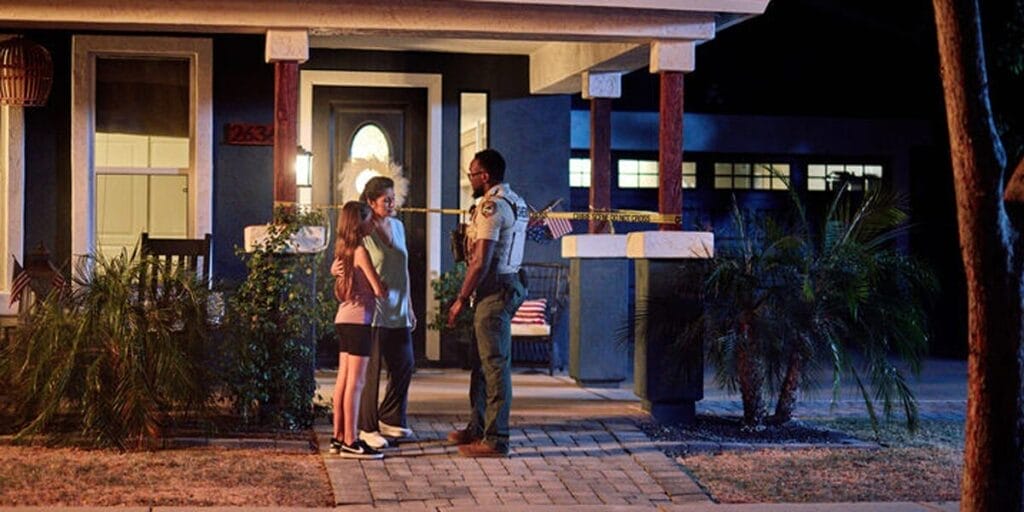
____________________________
When the unthinkable happens, the last thing families should have to worry about is how to clean up the aftermath.
____________________________
Every family’s experience is unique, but the emotional impact of encountering a crime scene often follows the same painful threads:
For many families, the hardest part is the sense of being alone in this process. They didn’t choose to be in this situation, and yet the responsibility for restoring their home now rests on their shoulders.
____________________________
Did You Know?
Research has shown that when people are repeatedly exposed to trauma reminders in their living environment, symptoms of grief and post-traumatic stress disorder (PTSD) can last longer and become more severe.
____________________________
Who Handles Crime Scene Cleanup?
After investigators finish their work, who is responsible for cleaning a crime scene?
Answer: C Most families are surprised—and overwhelmed—to learn that the responsibility for cleanup falls on them.
____________________________
It might be tempting to think of crime scene cleanup as just another form of “deep cleaning.” But the truth is, it’s far more than that.
A crime scene carries both emotional weight and physical danger. Stains or remnants aren’t just unpleasant—they are vivid reminders of trauma. Even after hours of scrubbing, families may feel their space has been permanently changed.
Without proper remediation, emotional healing can stall. Families deserve to reclaim their homes without being constantly reminded of what happened there.
Imagine walking into your living room after a traumatic event. The carpets look clean, but you notice faint stains or an odor that lingers. Do you feel comforted—or do you feel the weight of what happened, all over again?
This is why professional restoration matters. It’s not just about appearance—it’s about peace of mind.
While the emotional toll of a crime scene is often the most visible, there are also unseen dangers that linger long after the incident. These risks don’t always appear on the surface, which can create a false sense of security if cleanup is attempted without professional assistance.
Blood and bodily fluids may appear as stains, but they can pose serious health risks. Viruses such as HIV, Hepatitis B, and MRSA are known to survive outside the body for hours, days, or even longer, depending on the conditions.
Exposure isn’t limited to direct contact—microscopic droplets or residue on surfaces can also spread disease if touched or aerosolized during cleaning. Without the proper protective equipment and disinfectants, anyone attempting to clean the scene risks infection.
What families often don’t realize is how quickly fluids can seep into porous materials like wood, carpet, drywall, or subflooring. Even when a surface looks clean, contaminants may have traveled deeper, where bacteria thrive unseen. Over time, this can lead to:
In some cases, entire sections of flooring, furniture, or drywall must be removed and replaced to ensure the home is truly safe.
Odors are more than an inconvenience—they are a sign that microscopic contaminants are still present. The smell of blood, decomposition, or other biohazards can cling to fabrics, penetrate HVAC systems, and reappear long after the space seems “clean.”
These odors not only retraumatize families but also signal ongoing health risks if the underlying contamination has not been entirely removed.
Standard household cleaners and DIY efforts are insufficient to eliminate these dangers. Specialized tools—such as ozone machines, ATP testing (to verify sanitation), and EPA-registered disinfectants—are required to restore the environment safely.
Professional remediation doesn’t just clean what’s visible; it addresses the hidden layers of contamination to ensure the home is safe, stable, and livable once again.
____________________________
Did You Know?
Biohazard materials can penetrate surfaces like wood and drywall within minutes. Even if a surface appears clean, harmful bacteria may remain hidden, posing ongoing health risks and potentially causing costly property damage if left untreated.
____________________________
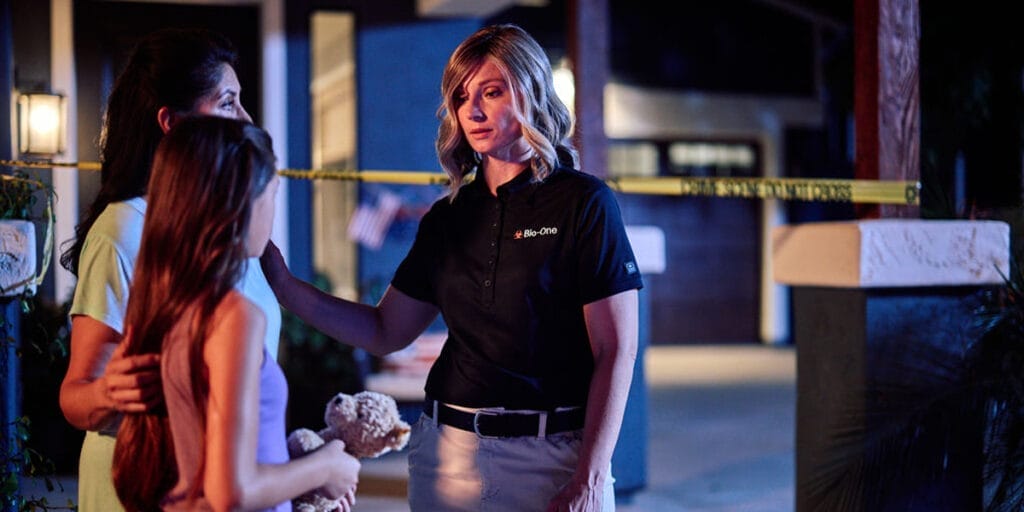
When tragedy strikes, cleanup is never just about sanitizing a space—it’s about helping families start the recovery process. Professional crime scene cleanup goes beyond surface-level cleaning to restore health, safety, and dignity.
Professionals don’t just wipe down visible surfaces. They utilize advanced remediation techniques, including ATP testing to confirm sanitation, medical-grade disinfectants, and specialized equipment that penetrates deep into porous materials where contaminants may hide.
Odor neutralization systems, air filtration, and biohazard disposal protocols ensure the space is genuinely safe and habitable again.
This level of restoration allows families to step back into their homes without fear or hesitation. Instead of seeing reminders of what happened, they see a clean, stable environment where healing can begin.
A crime scene isn’t just physically hazardous—it’s also deeply personal. The presence of marked vans, large crews, or public attention can add unnecessary shame or stress to an already painful time.
That’s why professional cleanup companies prioritize discretion. From arriving in unmarked vehicles to working quietly behind closed doors, their goal is to protect the family’s privacy and dignity at every step.
Neighbors don’t need to know, and families don’t need to feel exposed.
This respectful approach creates space for loved ones to grieve without added pressure or embarrassment.
Technical training matters, but so does the human element. The best cleanup professionals understand they are stepping into a family’s darkest hour. Every word, every action, is guided by empathy as much as expertise.
That compassion shows up in small but meaningful ways:
For many families, this combination of professional skill and personal compassion makes all the difference. Cleanup isn’t just about removing hazards—it’s about helping people take the very first step toward healing.
____________________________
When Families Should Call a Professional
If any of these apply, professional help is the safest path forward.
____________________________
While emotional support and compassion are at the heart of professional cleanup, the practical relief it brings to families can’t be overstated.
In moments of crisis, even simple logistics can feel overwhelming. By stepping in, professionals assume the responsibility that families should never have to bear alone.
At the top of the list is protection from hidden hazards. Professional cleanup ensures that all bloodborne pathogens, bodily fluids, and contaminated materials are entirely removed—not just from visible surfaces, but from flooring, walls, and air systems.
This prevents the spread of illness, mold, and bacteria that can threaten residents long after the initial incident. Families gain peace of mind knowing their home is not only clean, but safe to live in again.
Navigating insurance paperwork is the last thing grieving families want to deal with, yet it’s often a necessary step in covering cleanup costs. Professional companies like Bio-One routinely help with this process. They provide detailed documentation, photos, and reports required for claims and even communicate directly with adjusters when needed.
This kind of support can reduce financial stress and eliminate the confusion of trying to figure out coverage alone—saving families both time and worry.
Perhaps the most valuable gift of all is freedom from the burden of having to do it themselves. Without professional help, families might feel pressure to handle cleanup personally or to assign the task to friends, property staff, or maintenance crews.
Not only is that unsafe, but it also adds another layer of emotional strain to an already devastating situation.
Professional cleanup teams lift that weight off families’ shoulders. They manage the logistics, disposal, labor, and details—so families can focus entirely on what truly matters: grieving, remembering, and beginning to heal.
____________________________
Did You Know?
Many homeowners’ insurance policies cover crime scene cleanup. Families often don’t realize this, and it can significantly reduce the financial burden.
____________________________
For families, cleanup is often the first real step toward moving forward. It takes the space of trauma and restores it into a place where life can begin again.
It doesn’t erase what happened, but it creates the foundation for healing—without the constant physical reminders that might otherwise prolong the pain.
At Bio-One, our mission has always been Help First, Business Second. That means putting people and healing at the center of every service we provide.
____________________________
Pause & Reflect:
If someone you loved went through a tragedy, how would it feel to know that professionals could quietly remove the burden of cleanup—so you could focus on what matters most?
____________________________
A crime scene leaves more than physical damage—it leaves emotional wounds that take time to heal. Professional cleanup is not just about restoring a property; it’s about easing the weight families carry and creating space for recovery.
If you or someone you know is faced with the unimaginable, remember: you don’t have to handle it alone. Bio-One of Albuquerque is here to provide compassionate, professional help when it matters most.
October is recognized nationwide as National Crime Prevention Month, a time when communities, law enforcement, and organizations come together to raise awareness and share strategies for reducing crime.
While no one can prepare for every situation, taking small, consistent steps can make homes and neighborhoods safer.
Here are a few ways families and communities can take part:
Personal Awareness
By combining awareness, preparedness, and community support, we can all play a part in preventing crime and creating safer places to live, work, and heal.
Cleanup is not handled by law enforcement or the city. It falls to the property owner or family, which is why professional help is often essential.
Crime scenes can contain hidden dangers like bloodborne pathogens, structural damage, and lingering odors. Without proper equipment and training, cleanup can compromise health, safety, and emotional well-being.
Blood and bodily fluids can carry viruses such as HIV, Hepatitis B, and MRSA. Even when stains aren’t visible, harmful bacteria may remain in flooring, walls, or fabrics.
Restoring the home to a safe, clean condition removes painful reminders of trauma. It creates a supportive environment where families can grieve, remember, and eventually move forward.
Professional cleanup companies, like Bio-One, often arrive in unmarked vehicles and work quietly to protect your privacy and dignity.
In many cases, yes. Homeowners’ insurance often covers the cost of professional biohazard cleanup. Cleanup companies can help with documentation and communication with adjusters.
Ordinary household cleaners can’t fully remove biohazards. Professionals utilize advanced tools, including ATP testing, medical-grade disinfectants, and odor neutralization systems, to ensure the environment is completely safe.
Depending on the virus and conditions, pathogens can survive for hours, days, or longer. That’s why professional remediation is critical, even if a surface looks clean.
Keep people and pets out of the area, avoid touching or attempting to clean, and call a certified crime scene cleanup professional as soon as possible.
National organizations like NOVA (https://trynova.org), OVC (https://ovc.ojp.gov ), and VictimConnect (https://victimconnect.org) offer advocacy, resources, and confidential support services.
Squad cars are more than just vehicles -they are vital lifelines in law enforcement. Whether rushing to a scene, transporting detainees, or serving as mobile offices for officers, these cars endure constant use and high-pressure situations. Their critical role comes with hidden challenges, particularly concerning contamination.
Every shift introduces the potential for exposure to bodily fluids, drug residues, and other biohazards. Blood from an injured detainee, traces of powerful narcotics like fentanyl, or airborne pathogens from someone with a contagious illness can all turn a squad car into a health risk.
These contaminants jeopardize the safety of officers and can also harm detainees, technicians, and anyone who comes into contact with the vehicle.
Unfortunately, many of these hazards are invisible to the naked eye and cannot be addressed with standard cleaning methods. Therefore, regular, professional biohazard cleanup is essential in maintaining the health and safety of law enforcement personnel and the public they serve.
By investing in specialized cleanup services, departments can ensure that their fleet is operational and the environment is safe for everyone.

Law enforcement vehicles face unique challenges due to their constant exposure to high-risk situations. While they serve as vital tools for officers, the conditions they encounter can create environments teeming with invisible dangers. These biohazards often go unnoticed during routine cleanings, leaving officers, detainees, and maintenance staff vulnerable to severe health risks.
Squad cars frequently encounter contaminants that pose significant health and safety risks, including:

Relying on in-house cleaning for law enforcement vehicles may seem cost-effective and efficient. Still, it often falls dangerously short in addressing the unique and complex biohazard risks squad cars face. Without specialized training, equipment, and protocols, these efforts can leave critical hazards unresolved, putting officers, detainees, and others at risk.
No matter how well-intentioned, DIY cleaning methods cannot match the effectiveness of professional biohazard cleanup services. Professionals ensure:
Investing in professional cleaning services is not just about maintaining cleanliness—it’s about protecting lives and ensuring that law enforcement vehicles remain safe for all users.

Overlooking proper biohazard cleanup in squad cars isn’t just an oversight - it’s a liability. From the health and well-being of officers to the legal and operational stability of law enforcement departments, the consequences are far-reaching and potentially devastating. A proactive approach to vehicle decontamination safeguards everyone involved.
Addressing these risks through professional biohazard cleanup is an investment in safety and efficiency:
By recognizing the importance of professional decontamination, departments can create a safer environment for all while maintaining the trust and confidence of their community.
Regarding addressing biohazard contamination in squad cars, Bio-One is the premier choice for law enforcement agencies. Our specialized expertise, cutting-edge techniques, and unwavering commitment to safety make us the trusted partner for decontaminating vehicles and ensuring their safety for all occupants.

Choosing Bio-One means partnering with a company dedicated to excellence and safety. Our mission is to provide law enforcement agencies with:
When the safety of your team and community is at stake, trust the experts at Bio-One to deliver unmatched results. Together, we can ensure that every squad car remains a secure and hygienic space for those who serve and those they protect.
Common biohazards include bodily fluids (blood, vomit, urine), drug residues (such as fentanyl or methamphetamine), bacteria, viruses, and unseen contaminants like used needles or contaminated personal belongings.
Professional cleanup ensures thorough decontamination of all surfaces, eliminates microscopic pathogens and toxins, and adheres to safety and regulatory standards, reducing health risks for officers and detainees.
No, standard cleaning methods often fail to eliminate pathogens and residues at a molecular level, leaving behind invisible threats that can jeopardize health and safety.
Risks include exposure to infectious diseases, accidental drug overdoses, legal liabilities from unsafe conditions, and operational disruptions caused by vehicle downtime.
Biohazard cleanup requires specialized training, medical-grade cleaning agents, professional-grade equipment, and personal protective equipment (PPE) like gloves, respirators, and hazmat suits.
Detainees exposed to residual substances or pathogens in contaminated vehicles risk infection, illness, or injury, particularly those with pre-existing health conditions.
Departments that fail to provide a safe vehicle environment may face lawsuits, worker’s compensation claims, and regulatory fines.
Professional services are efficient and thorough, ensuring vehicles are quickly returned to service without compromising the safety of officers or detainees.
Bio-One offers specialized expertise, advanced cleaning techniques, OSHA-compliant practices, and customized decontamination plans tailored to law enforcement needs.
Partnering with Bio-One ensures clean and safe squad cars, reduces legal and health risks, minimizes operational disruptions, and protects the well-being of officers and the community.
Foul odors can be more than a nuisance; they can disrupt your comfort, affect your health, and be a source of embarrassment. Bio-One of Albuquerque understands that tackling stubborn odors is not just about freshening up space—it's about restoring your peace of mind.
Our professional odor removal service addresses the most challenging smells head-on, providing solutions that are as effective as they are discreet. Whether you have pet odors, smoke, mold, or something unidentifiable, they’re here to clear the air.

Odor removal can be tricky and often complicated for several reasons:

Several sources of odors can be pervasive or challenging enough to motivate someone to seek a professional odor-removal solution:

Attempting to remove odors yourself can pose several hazards or dangers, especially if you're dealing with stubborn or severe odor sources. Here are some potential risks:

Hiring an unqualified company to remove odors can lead to several negative consequences, including:
Using Bio-One’s Odor Removal Service has several advantages and capabilities that the average home or business owner may not have, making us more effective in dealing with persistent or severe odors. These include:
Sometimes, the last thing you want is to draw attention to the cleanup. We’re the cleanup ninjas. We prioritize discretion in our operations, using unmarked vehicles and adhering to any special requests to maintain privacy and confidentiality. Bio-One values your reputation.
What does an odor removal service entail?
Odor removal services specialize in eliminating unpleasant smells from your home or business using various techniques.
How long does the odor removal process take?
The duration depends on the odor's source and intensity, but most services can complete the job within a few hours.
Is odor removal safe for pets and children?
Yes, most professional odor removal services use safe, non-toxic products that are safe for pets and children.
Can Bio-One remove pet odors from carpets and furniture?
Yes, odor removal services effectively eliminate pet odors from carpets, furniture, and other fabrics.
Do I need to leave my home during the odor removal?
It depends on the severity of the odor, but in most cases, you can stay at home while the service is being performed.
How much does an odor removal service cost?
The cost varies depending on the size of the area and the severity of the odor, but prices typically range from $100 to $500.
Can Bio-One remove cigarette smoke odor?
Yes, odor removal services effectively eliminate cigarette smoke odors from your home or business.
How do I prepare my home for odor removal?
Remove any items that could obstruct the service, and if possible, identify the source of the odor for quicker resolution.
Will the odor come back after treatment?
Most professional services offer lasting solutions, but ongoing maintenance may be required for persistent issues.
Do you offer a guarantee for your services?
Many odor removal services offer a satisfaction guarantee, ensuring the odor is eliminated.
Can you remove mold and mildew odors?
Yes, odor removal services can effectively eliminate mold and mildew odors, but addressing the source is also necessary.